
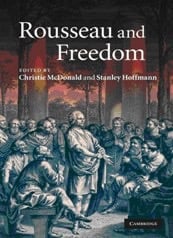
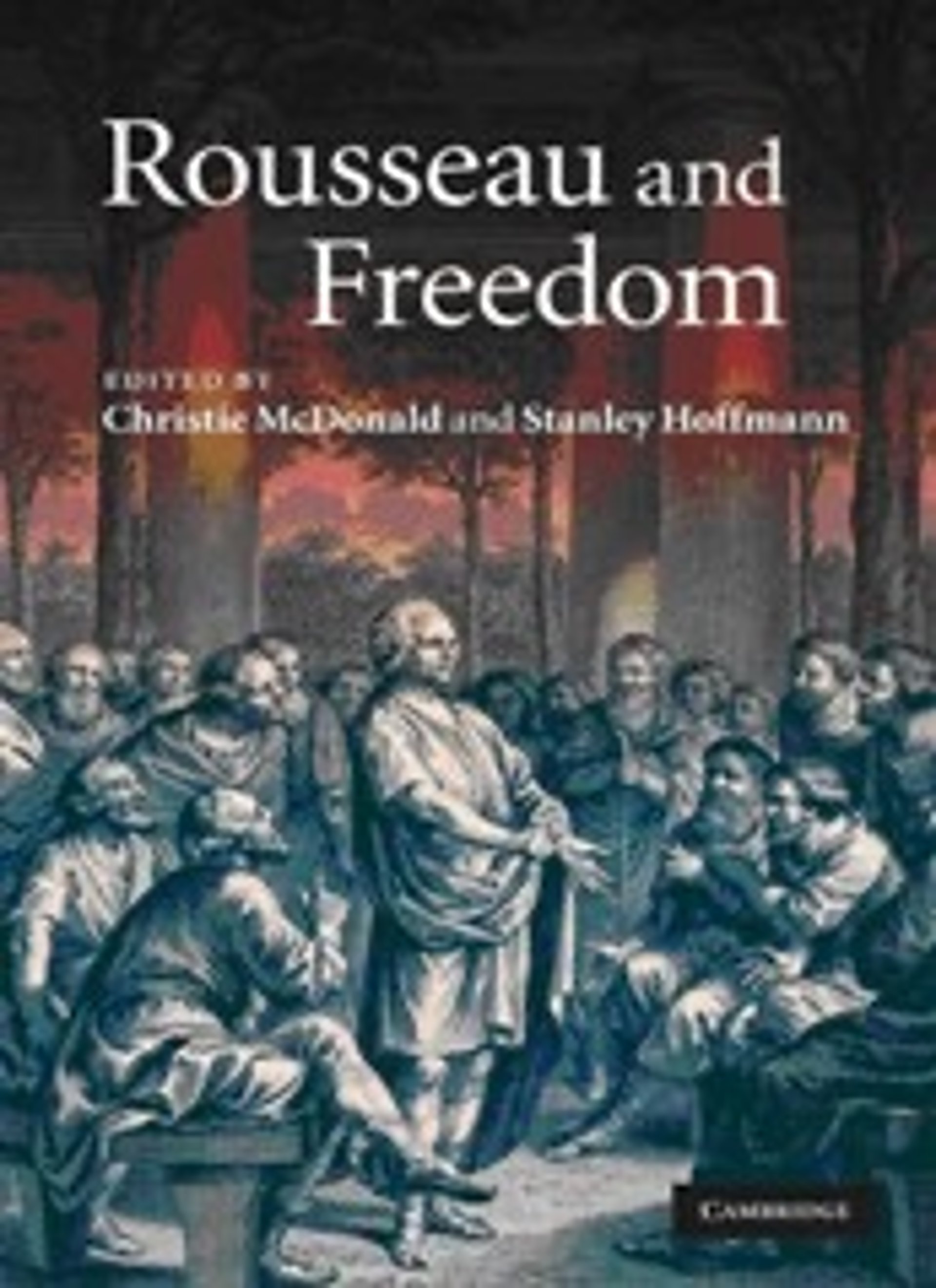
Rousseau and Freedom
Rousseau’s modern account of freedom, first articulated in the eighteenth century, shaped Enlightenment thought, influenced the French Revolution, and continues to inform contemporary debates. This 2010 volume explores his varied treatments of freedom across literature, religion, music, theater, gender, the body, and the arts. Its contributors draw on multiple disciplines to offer fresh perspectives, and by using freedom as their central lens, they present a unified interpretation of Rousseau’s work.
Major Published Treatises
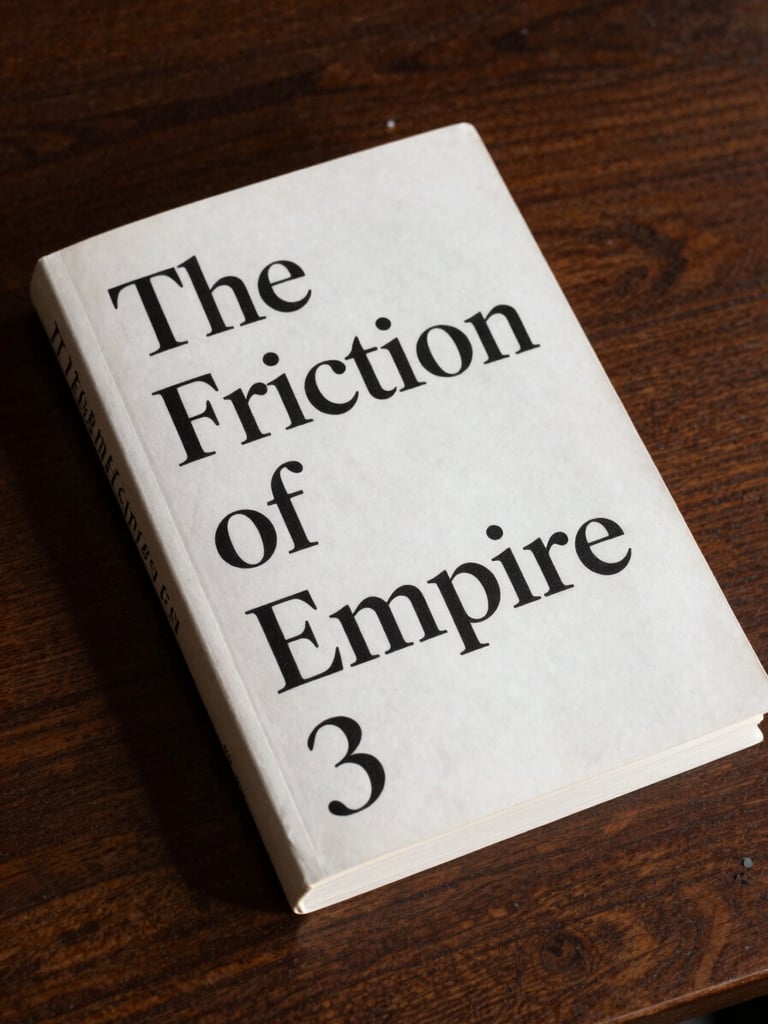
Two decades of rigorous empirical research examining the historical friction between state power and economic systems, providing a foundation for modern institutional policy.
The Friction of Empire
An empirical investigation into the fiscal architectures of early modern states, demonstrating how institutional bottlenecks shaped long-term economic divergence.
Key themes: Fiscal capacity, colonial trade routes, institutional path dependency.
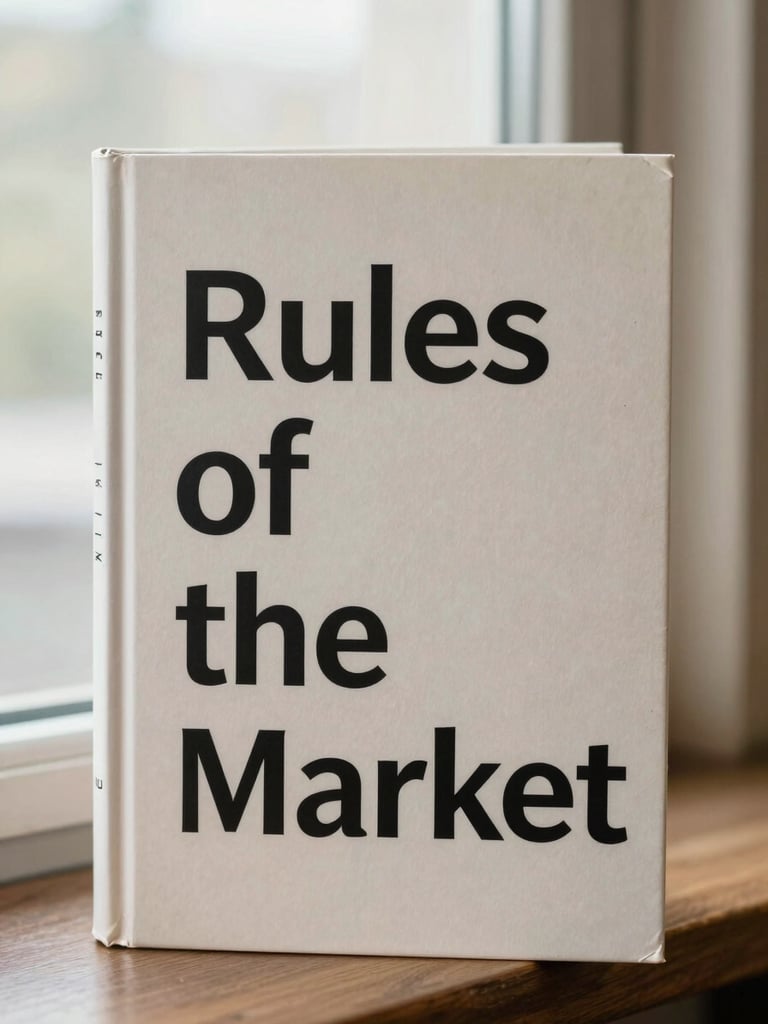
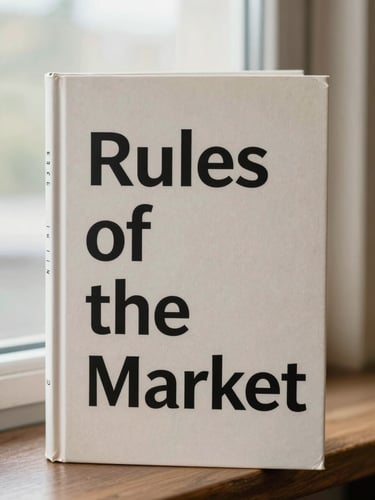
Rules of the Market
A historical political economy of regulatory regimes in post-war Europe, tracing how administrative structures dictate modern market resilience.
Key themes: Regulatory capture, bureaucratic friction, post-war reconstruction.
Scholarly Reception
Critical assessments and reviews from peer-reviewed journals and leading economic historians, validating the empirical foundations of these monographs.
“Vance offers a masterclass in archival patience. This volume fundamentally alters our understanding of institutional development and state power.”
“A rigorous empirical foundation paired with brilliant narrative history. Essential reading for any student of political economy.”
“A powerful and necessary framework for understanding modern geopolitical realities through the lens of historical friction and institutional design.”
— American Journal of Political Science
— Journal of Economic History
— Foreign Affairs
Christie McDonald
Publications
Inquiries
cmcdonal@fas.harvard.edu
Harvard University — Department of Government